Introduction
Pick up almost any package in your pantry or freezer. Count the tiny icons crowded around the edges. You'll likely find a dozen or more — nutrition panels, allergen warnings, recycling loops, organic seals, maybe a kosher mark.
Each one is doing a job. Some are legally required, while others are marketing claims that took months of third-party auditing to earn.
Shoppers are paying closer attention than ever. 76% of consumers said transparency was very or extremely important to them in 2023, up from 72% just two years earlier, according to FMI's transparency research. That same report found 87% of shoppers actually notice front-of-pack symbols before they buy.
This guide breaks down what these symbols mean, which ones carry legal weight, and how brands choose and apply the right ones without risking compliance headaches.
Key Takeaways
- Symbols fall into three types: certification, safety, and recycling marks
- FDA mandates allergens and nutrition facts; USDA Organic and Non-GMO stay voluntary
- Misusing certification symbols can trigger FDA warning letters and brand damage
- Your audience, formulation, and label space determine the right symbol mix
- Expert packaging manufacturers keep symbols compliant, legible, and correctly printed
What Are Food Packaging Symbols?
Food packaging symbols are standardized icons, seals, or marks that communicate dietary suitability, certifications, safety instructions, or environmental impact at a glance. Shoppers shouldn't need to read a paragraph to know if a product is gluten-free or microwave-safe: the symbol does that work instantly.
These marks exist on a spectrum:
- Legally mandatory — allergen statements, Nutrition Facts panels, net quantity declarations
- Voluntary certifications — USDA Organic, Fair Trade, Certified Vegan, Kosher
- Functional icons — microwave-safe, recyclable, freezer-safe
None of this is decoration. Every symbol on a package carries either a legal obligation or an implied promise to the consumer, and both come with accountability. Treat symbol placement as a compliance decision first, a design decision second.
Categories of Food Packaging Symbols
Not every symbol serves the same purpose. Some prove a product meets a dietary standard. Others tell a consumer how to store or dispose of the packaging safely. Knowing which category a mark belongs to tells you instantly what's required, what's optional, and what needs formal certification before it ever touches a proof sheet.
Dietary & Certification Symbols
These are the marks that shoppers actively search for: USDA Organic, Non-GMO Project Verified, GFCO Certified Gluten-Free, OU or OK Kosher, Halal, and Certified Vegan.
Most require independent third-party audits, lab testing, or documented supply chain verification before a brand can legally print them. USDA Organic, for instance, requires products to contain at least 95% certified organic content before the seal is allowed on-pack at all.
These symbols are largely voluntary and marketing-driven rather than safety mandates. That's what makes them powerful, and risky if mishandled.
- Best suited for: brands targeting health-conscious, faith-based, or ethically-driven shoppers
- Key strengths: instant trust, access to niche retail channels, less need for shoppers to scan full ingredient panels
- Trade-offs: certification costs money and time, requires ongoing audits, and carries decertification risk if standards lapse
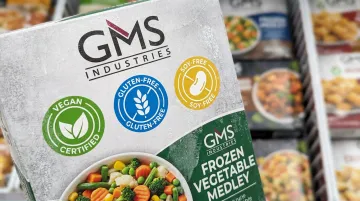
GMS Industries has produced custom chipboard boxes for frozen food brands like Tattooed Chef, where vegan, gluten-free, and soy-free designations sit front and center on the packaging. Getting those marks crisp and accurately positioned matters just as much as the certification itself.
Safety & Handling Symbols
Microwave-safe, freezer-safe, food-contact-safe icons, flammable warnings, resin identification codes, and the Radura irradiation symbol all fall here. These tell consumers how to use, store, or handle a product safely, not whether it aligns with their values.
Unlike certification marks, most handling icons aren't uniformly regulated. The FDA and USDA don't prescribe one universal microwave-safe icon; brands develop their own based on internal testing and clear written instructions. The Radura is the exception: it's federally mandated under 21 CFR 179.26 for qualifying irradiated retail foods.
Date-label confusion alone drives an estimated 20% of consumer food waste, according to the FDA. Clear handling instructions aren't a minor detail: they directly affect whether food gets used or tossed.
- Best suited for: frozen, prepared, and foodservice packaging where mishandling risks spoilage or injury
- Key strengths: reduces confusion, prevents unsafe use, lowers liability
- Trade-offs: often printed too small to notice; standards vary by packaging type
GMS regularly prints "keep frozen" and cooking-instruction callouts on chipboard boxes for frozen retail brands, such as Trader Joe's frozen bites or Tattooed Chef bowls, where a missed detail on a freezer instruction becomes a food safety risk.
Recycling & Environmental Symbols
The Mobius loop, resin identification numbers, compostable marks like ASTM D6400 and EN 13432, and forestry certifications such as FSC all guide end-of-life disposal.
Here's the catch: a resin code identifies plastic type, not recyclability. How2Recycle's own "Widely Recyclable" label requires curbside or drop-off access for at least 60% of Americans, meaning the same package might be recyclable in Seattle and destined for a landfill in rural Texas, according to How2Recycle's labeling guidelines.
- Best suited for: brands with a genuine sustainability position or compostable/recyclable materials
- Key strengths: reinforces brand values, helps consumers dispose of packaging correctly
- Trade-offs: recycling infrastructure varies wildly by region; unverified "eco" claims risk greenwashing accusations
GMS's custom corrugated boxes include biodegradable material options, giving CPG and frozen food clients a substrate that can legitimately support an environmental claim rather than just an aspirational one.
FDA Requirements & Regulatory Compliance for Food Labels
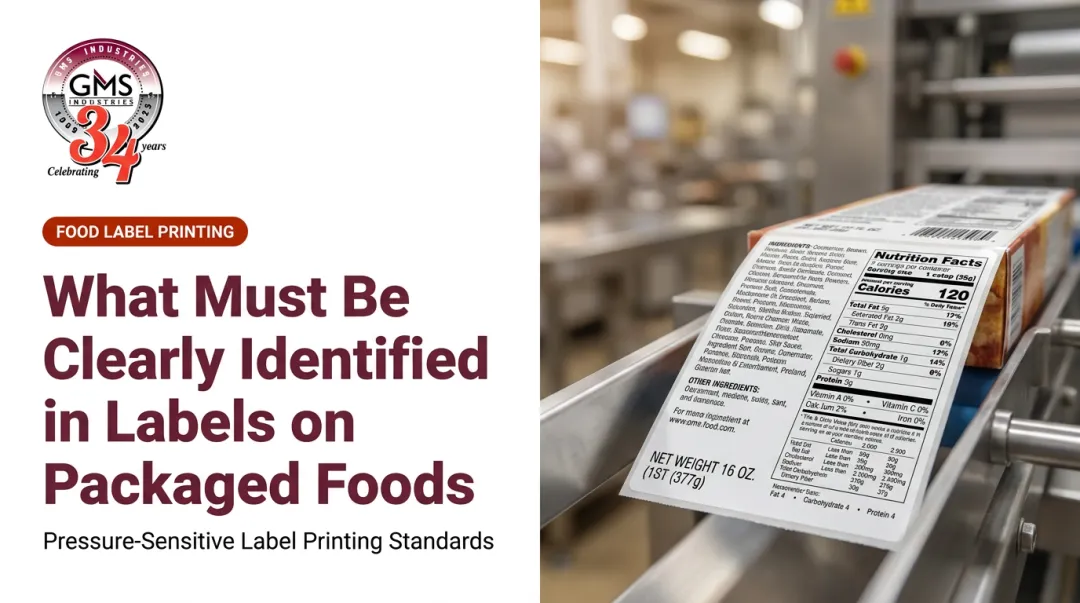
Before any voluntary symbol gets added, every U.S. food package must display the FDA-mandated basics:
- Nutrition Facts panel in the prescribed format
- Ingredient list, declared in descending order by weight
- Net quantity on the principal display panel
- Manufacturer, packer, or distributor name and address
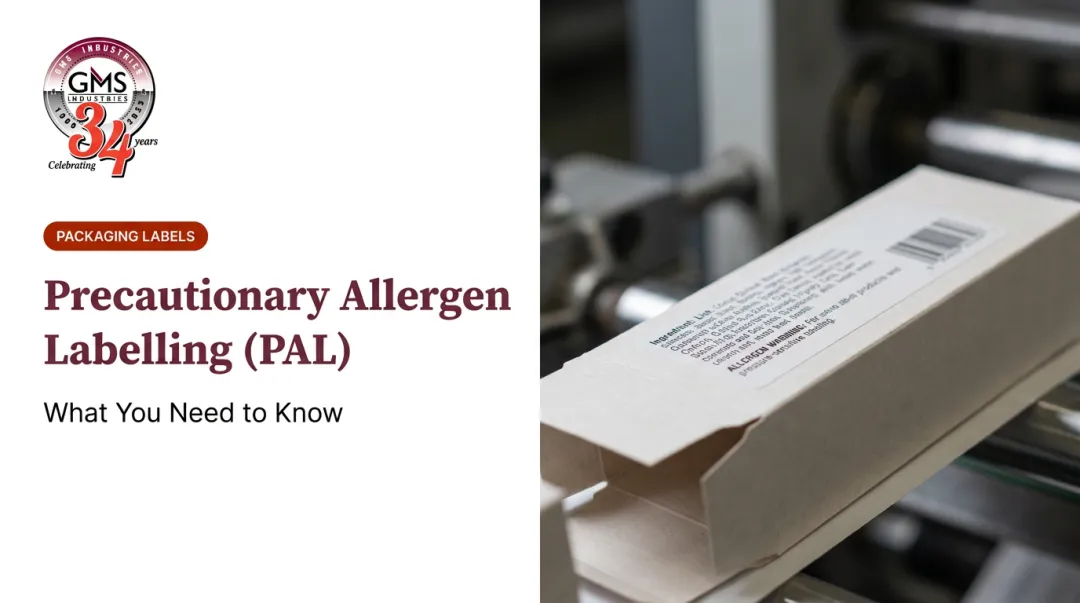
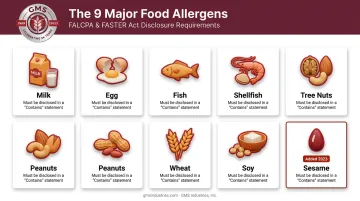
Allergen labeling carries its own rulebook. The Food Allergen Labeling and Consumer Protection Act (FALCPA), passed in 2004, requires plain-language disclosure of major allergens (milk, egg, fish, shellfish, tree nuts, peanuts, wheat, and soy) through the ingredient name or a "Contains" statement, per the FDA's FALCPA guidance. Sesame joined that list as the ninth major allergen in January 2023 under the FASTER Act.
Here's where brands trip up: FDA-regulated claims and third-party certifications aren't the same thing.
| Claim Type | Threshold |
|---|---|
| FDA "gluten-free" claim | Below 20 ppm |
| GFCO certification | Below 10 ppm |
A product can legally use "gluten-free" under FDA rules without ever earning the GFCO seal. Printing that butterfly mark without certification is a separate problem entirely.
Enforcement is real. In June 2024, the FDA sent Bimbo Bakeries a warning letter over allergen declarations it said were false or misleading, including a sesame listing on products the agency said didn't contain it. Accuracy on allergen statements isn't optional, and mistakes get noticed.
Symbol accuracy starts at the production stage, not after the fact. GMS Industries' prepress team, for example, runs proofs through Fuji Final Proof and GMG color management (checking that a tiny allergen icon or certification seal reproduces legibly) before a job ever reaches the press. That's compliance work, not just print work.
How to Choose the Right Symbols for Your Packaging
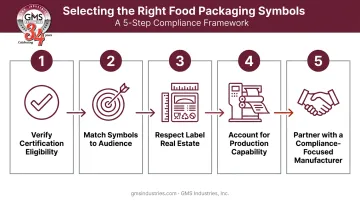
Symbol selection should come down to product eligibility and audience fit, not shelf trends or what a competitor slapped on their box last quarter.
- Verify real certification eligibility first. Never print a mark your product hasn't earned. An unverified USDA Organic seal or fabricated Non-GMO icon creates both legal and reputational exposure.
- Match symbols to your actual audience. A faith-based kosher shopper and a sustainability-driven millennial aren't looking for the same cues. Choose marks that speak to your specific buyer, not every buyer.
- Respect your label real estate. Three or four well-placed, relevant symbols beat a cluttered panel of ten that nobody reads closely.
- Account for production capability. Embossed seals, foil marks, and multi-layer labels each require specific equipment and setup. Confirm your manufacturer can execute them cleanly at your order volume.
- Partner with a manufacturer who understands compliance printing. GMS Industries has handled compliance-sensitive prepress for frozen food and CPG brands for over 30 years. Fuji Final Proof color verification catches a blurry allergen icon before it ships on 50,000 units.
Getting this right carries legal and financial weight beyond simple design preference.
Conclusion
Food packaging symbols do a lot of quiet work. They compress complicated dietary, safety, and environmental information into something a shopper can read in two seconds while standing in a store aisle.
But different categories exist for different reasons, and using them correctly takes verification, not guesswork:
- A USDA Organic seal without certification is a liability
- A microwave-safe icon without testing is a risk
- A recycling loop on packaging nobody can actually recycle locally is a trust problem waiting to happen
Choosing and printing the right symbols is as much a production decision as a marketing one. At GMS Industries, compliance verification runs through prepress and color management, from ICC profiling to final proofing, so certification marks and safety icons print correctly the first time. Working with a packaging partner who treats compliance and print quality as inseparable protects your brand and your customers' trust.
Frequently Asked Questions
What are the labels on food packaging?
Food labels include mandatory elements like Nutrition Facts, ingredient lists, and allergen declarations, alongside voluntary symbols for certifications, safety, and sustainability. Together they cover both legal disclosures and marketing claims.
What are the FDA requirements for food labeling?
FDA mandates a Nutrition Facts panel, ingredient list, net quantity declaration, and manufacturer or distributor information. Allergen declarations under FALCPA are also required for the nine major allergens.
What is the difference between a food label and a food packaging symbol?
A "label" refers to the full information panel on a package, including all required and voluntary content. A "symbol" is one individual icon or seal within that broader label, like a Mobius loop or kosher mark.
Do all food packaging symbols require official certification?
No. Mandatory safety and allergen symbols don't require certification since they're regulatory disclosures. Marks like USDA Organic or Non-GMO Project Verified do require third-party audits before use.
What does the Mobius loop symbol mean on food packaging?
It indicates a package is potentially recyclable, not that it's guaranteed to be recycled. Local infrastructure varies, so acceptance depends on your specific municipal or curbside program.
Can a company create its own certification-style symbol?
Yes, brands can create proprietary marks, but claims must be backed by real evidence. Unsupported claims risk misleading consumers and drawing FDA or FTC scrutiny.